Introduction
PCOS and Diabetes are two common health conditions that affect many women worldwide. PCOS stands for Polycystic Ovary Syndrome, while Diabetes is a problem with blood sugar control. Both conditions can cause serious health issues if not managed well. Importantly, PCOS and Diabetes are closely linked. Women with PCOS have a higher risk of developing Diabetes, especially type 2. Understanding this connection can help you spot symptoms early and take steps to stay healthy.
What is PCOS?
PCOS, or Polycystic Ovary Syndrome, is a hormonal imbalance that affects women of childbearing age. It happens when the ovaries make too many male hormones. As a result, women may have irregular periods, trouble getting pregnant, or extra hair growth. According to the CDC, PCOS affects about 1 in 10 women. While the exact cause is unknown, family history and lifestyle can play a role. Early diagnosis can help prevent long-term problems.
What is Diabetes?
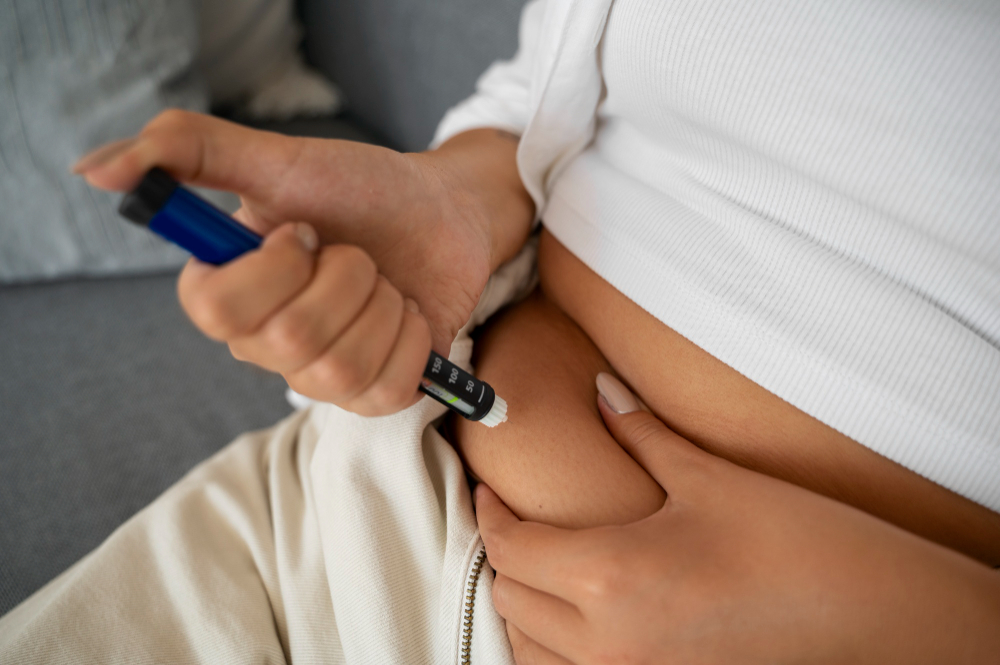
Diabetes is a condition where the body cannot control blood sugar well. There are two main types:
Type 2 Diabetes is more common and often linked to lifestyle and genetics. In fact, the World Health Organization reports that over 400 million people worldwide have Diabetes. Good blood sugar control is key to preventing complications.
How are PCOS and Diabetes Linked?
Many women with PCOS also have insulin resistance. This means their bodies do not use insulin well, causing high blood sugar. Over time, this can lead to type 2 Diabetes. In addition, both conditions share risk factors like obesity, family history, and lack of exercise. Because of this, women with PCOS should watch for signs of Diabetes. Managing weight and staying active can lower the risk.
Symptoms to Watch For
PCOS and Diabetes can have similar symptoms. However, some signs are unique to each condition. Watch for these symptoms:
If you notice these symptoms, it is important to talk to your doctor. Early treatment can prevent serious health problems.
Diagnosis
Doctors use several tests to diagnose PCOS and Diabetes. For PCOS, they may:
For Diabetes, doctors often:
Because PCOS and Diabetes are linked, your doctor may check for both if you have symptoms of one.
Treatment and Management
Treating PCOS and Diabetes often involves both medicine and lifestyle changes. Your doctor may suggest:
In addition, healthy habits can make a big difference:
With the right plan, many women manage both conditions well.
Prevention Tips
While you cannot change your family history, you can lower your risk of PCOS and Diabetes. Try these tips:
Even small changes can have a big impact over time.
Living Well with PCOS and Diabetes
Living with PCOS and Diabetes can be challenging, but support is available. First, follow your doctor’s advice and take medicines as prescribed. Next, join support groups or talk to others with similar experiences. Also, keep a health journal to track symptoms and progress. Remember, you are not alone. Many women manage these conditions and lead healthy lives.
For personalized advice on managing PCOS and Diabetes, consult a healthcare specialist today.